
The Dopamine–Food Connection: Why ADHD Cravings Aren’t “Lack of Willpower”
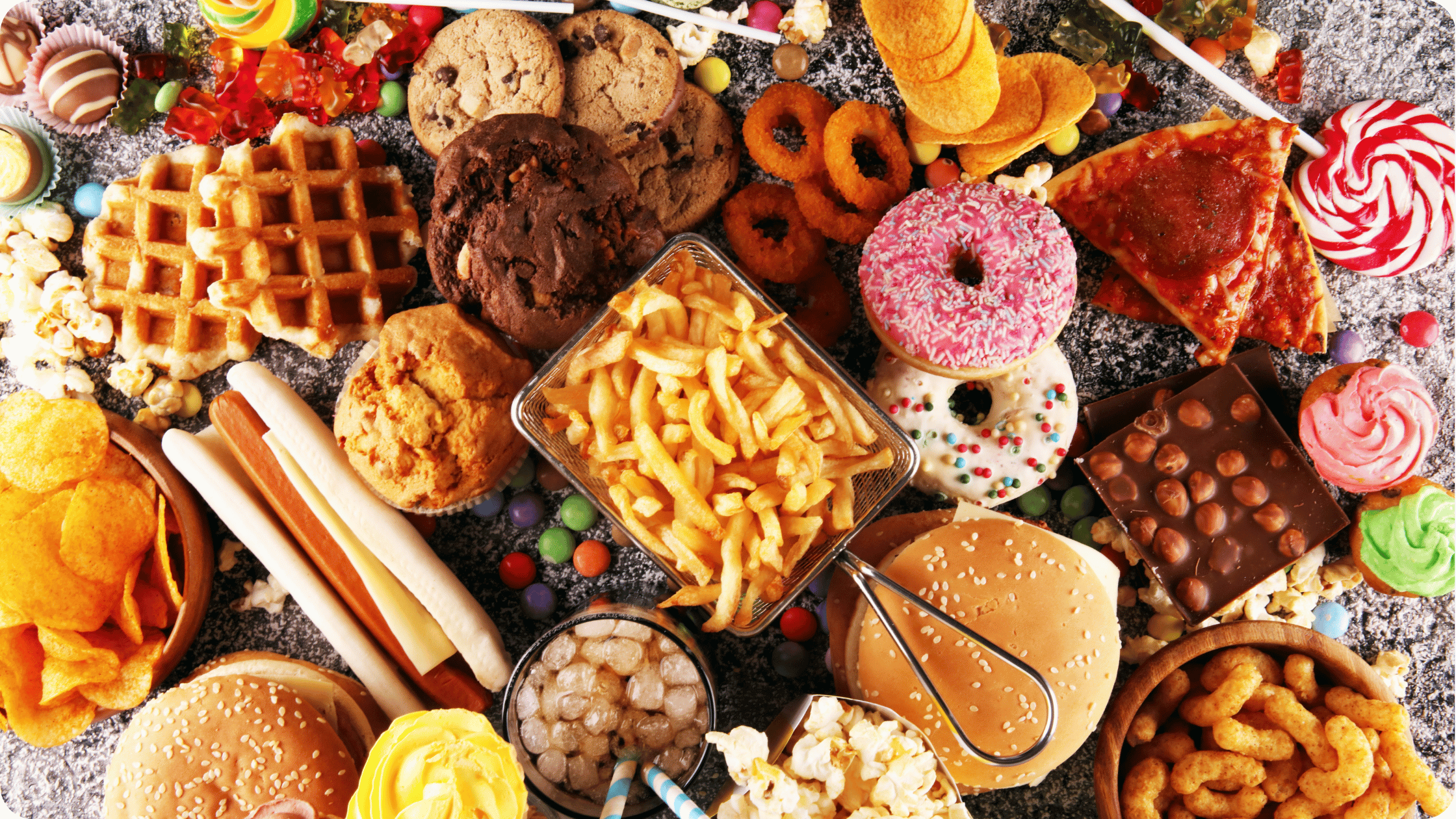
If you live with ADHD, you may notice powerful urges toward food — especially sugary, crunchy, salty, or carb-heavy options. These cravings can feel sudden, intense, and hard to ignore.
You’re not imagining it.
ADHD-related eating patterns are influenced by brain chemistry — particularly how the brain processes reward and motivation. Dopamine plays a major role, but the story is more complex than simply “low dopamine.”
Understanding this nuance can replace shame with strategies that actually support your brain.
The Nuanced Dopamine Picture in ADHD
Dopamine is often described as the brain’s “motivation and reward” chemical. It helps you initiate actions, sustain effort, and feel satisfaction.
In ADHD, dopamine signaling appears dysregulated — not simply deficient.
Research suggests several key differences:
Lower baseline (tonic) dopamine activity
Stronger burst (phasic) dopamine responses to immediate rewards
Reduced dopamine receptors in reward-related brain regions
Differences in how the brain anticipates future rewards
This pattern helps explain a common ADHD experience:
Everyday tasks may feel under-stimulating, while immediate rewards feel especially compelling.
Importantly, ADHD is not caused by dopamine alone. Other neurotransmitters, brain networks, development, and environment all play roles.
Why Immediate Rewards — Like Food — Can Feel So Powerful
Most brains gradually learn to respond to cues that predict rewards (for example, feeling motivated by the idea of finishing a project).
In ADHD, predictive dopamine signaling may be less efficient. The brain may respond more strongly to the reward itself than to the anticipation of it.
This can make delayed rewards feel abstract while immediate rewards feel concrete and compelling.
Food is one of the most immediate rewards available:
It provides sensory stimulation (taste, texture, smell)
It requires little planning or effort
It reliably produces pleasure
It is socially acceptable and accessible
It can quickly shift mood or energy
So the pull toward food is understandable — not a failure of discipline.
Why Sugar and Refined Carbs Often Top the List
Certain foods deliver fast reward signals:
Sweet foods
Refined carbohydrates
Salty snacks
Crunchy or intensely flavored foods
Comfort foods associated with positive experiences
Carbohydrates also provide rapid fuel to the brain and can influence serotonin, which affects mood.
This doesn’t mean carbs are “bad.” Restriction often intensifies cravings and rebound eating — especially in ADHD.
An all-foods-fit approach with structure tends to be more sustainable.
Why Food Becomes a Reliable Dopamine Tool
ADHD isn’t just about attention. It’s about regulation — of energy, motivation, emotions, and arousal. Food can help regulate all of these in the moment.
Common reasons food becomes a dopamine source include:
1. Low Energy or Under-Fueling
If you haven’t eaten enough, your brain is literally looking for fast energy. Quick carbs are biologically efficient for this — not a failure of discipline.
2. Boredom or Low Stimulation
When tasks feel monotonous, the brain searches for something interesting. Food provides sensory input (taste, texture, smell) plus reward.
3. Task Initiation Difficulty
Eating can act as a “starter motor.” Many people find they can begin work after a snack because dopamine rises slightly.
4. Emotional Regulation
Food can dampen stress or provide comfort, especially when other coping tools are depleted.
5. Sensory Seeking
Crunchy, chewy, or intensely flavored foods provide physical stimulation that can help with focus.
Meeting Dopamine Needs Without Shame
You don’t need to “stop seeking dopamine.” Your brain needs it. Think in terms of layering supports so food isn’t carrying the entire load.
Nutrition Supports
Regular eating stabilizes energy and reduces urgency-driven choices.
Helpful foundations:
Eat every 3–5 hours (adjust to your needs)
Include protein, carbohydrates, and fat
Start small if appetite is low
Keep foods visible and easy to access
Plan ahead for high-demand times
Hydration can have a surprisingly big impact on energy, focus, and appetite regulation. If drinking enough water feels inconsistent — or you simply forget until you’re already depleted — our Hydration Hacks for People with ADHD Who Forget to Drink Water shares practical, ADHD-friendly strategies that don’t rely on willpower.
Movement as Brain Fuel
Physical activity reliably increases dopamine and norepinephrine.
Even very short bursts help:
A quick walk
Stretching
One song of dancing
Light strength exercises
Climbing stairs
Consistency matters more than intensity.
Novelty and Stimulation
The ADHD brain responds strongly to newness.
Try:
Changing environment
Rotating snacks or drinks
Listening to music or podcasts
Using timers or visual tools
Brief learning breaks
Connection and Co-Regulation
Social interaction also activates reward systems.
Options include:
Texting someone
Body doubling
Pet interaction
Short check-ins
Working alongside others
Balanced Snack Ideas That Support Energy AND Sensory Needs
The most satisfying snacks combine quick fuel with staying power and appealing texture.
Aim for carbohydrate + protein and/or fat.
Crunchy + Filling
Apple slices + peanut butter
Crackers + cheese
Trail mix (nuts + chocolate)
Popcorn + roasted chickpeas
Sweet + Sustaining
Yogurt + granola
Smoothie with fruit and protein
Banana + nut butter
Oatmeal with toppings
Salty + Savory
Hummus + pita or veggies
Eggs + toast
Cheese + pretzels
Edamame
Low-Effort Options for Overwhelming Days
Protein bars you enjoy
Drinkable yogurt or shakes
Pre-portioned snack packs
Frozen meals
Shelf-stable snacks for your bag or car
Convenience is not a shortcut — it’s an accessibility strategy.
We put together a list of truly low-effort options that require no cooking, no dishes, and minimal decision-making. You can explore our Zero‑Dish ADHD‑Friendly Meals: No Cooking, No Clean‑Up, No Stress for simple ideas you can grab, heat, or eat straight from the package.
What If You’re Not Physically Hungry?
Ask yourself:
Am I under-stimulated?
Am I tired or overwhelmed?
Have I eaten enough earlier today?
Do I need a break, movement, or connection?
Sometimes food is the right answer. Sometimes another dopamine source helps. Often both are useful.
How ADHD Medication Can Affect Eating Patterns
Stimulant medications can change appetite and timing:
Reduced hunger during peak effect
Increased hunger later in the day
Altered food preferences
Eating feeling effortful
Planning meals around medication timing can prevent large energy swings and intense evening cravings.
If stimulants suppress appetite earlier in the day or leave you feeling depleted later, our ADHD Medications, Appetite, and Digestion: What to Expect and How to Manage Side Effects with Food explains why this happens and offers practical ways to stay nourished throughout the day.
The Bottom Line: It’s Not About Willpower
ADHD cravings reflect differences in reward processing — not a lack of discipline. Dopamine is part of the picture, but ADHD involves complex brain systems.
Understanding this can reduce self-blame and open the door to practical support.
With compassionate structure — regular eating, accessible foods, movement, novelty, and connection — you can work with your brain instead of against it.
When Extra Support Can Help
If food feels like your main coping tool, or eating patterns are causing distress, personalized support can help you identify patterns and build sustainable strategies.
You can explore ADHD-informed nutrition services at Nutrition Ally or schedule a consultation to discuss your needs.
References:
Attenuated Tonic and Enhanced Phasic Release of Dopamine in Attention Deficit Hyperactivity Disorder. PloS One. 2015. Badgaiyan RD, Sinha S, Sajjad M, Wack DS.
Evaluating Dopamine Reward Pathway in ADHD: Clinical Implications. The Journal of the American Medical Association. 2009. Volkow ND, Wang GJ, Kollins SH, et al.
Attention Deficit Hyperactivity Disorder and Disordered Eating Behaviors: Links, Risks, and Challenges Faced. Neuropsychiatric Disease and Treatment. 2016. Ptacek R, Stefano GB, Weissenberger S, et al.
Attention Deficit Hyperactivity Disorder (ADHD) and Disordered Eating Behaviour: A Systematic Review and a Framework for Future Research. Clinical Psychology Review. 2017. Kaisari P, Dourish CT, Higgs S.
A Behavioral Genetic Model of the Mechanisms Underlying the Link Between Obesity and Symptoms of ADHD. Journal of Attention Disorders. 2020. Patte KA, Davis CA, Levitan RD, et al.